

Van life is the name given to an increasingly popular niche or sub-culture of people who chose to live a semi-nomadic lifestyle by living and travelling in their vehicles, most commonly in converted cargo vans and buses, but also caravans and RV’s.
“As you start travelling down that road of life, remember this: there are never enough comfort stops. The places you’re going are never on the map, and once you get that map out, you won’t be able to re-fold it no matter how smart you are. So forget the map, roll down the windows, and whenever you can, pull over and have a picnic.”
Jim Hensen

Introduction to Van life
Have you ever dreamed about packing up and hitting the road on an extended holiday, or maybe something more permanent? If so, then Van life might be for you.
At its core, Van life can be anything. From one extreme of a sleeping bag in the back of your car, right through to a luxurious Recreational Vehicle with a price tag of a hundred thousand dollars, Van life encompasses a broad spectrum.
If you’ve come across the term on YouTube or Instagram, you might have been caught up in the flashy consumer culture and Instagram perfect pictures of #vanlife. Unfortunately, this is often presented in line with our consumer culture and sold as an ideal end goal – once you are set up with a great van and doing #vanlife then you will be happy right?
Well no, Van life is more about the journey than the destination. Van life is not an end goal, but more of a means to an end. Van life is a tool for people to pursue their passions whether that might be travelling and exploring, creating content for Youtube, writing, photography or even sports such as rock climbing.
The very low cost overheads and portable lifestyle means that you are free to roam and explore, and have time to work on your passions as you do not have to work to support yourself and pay for expensive rent.
Income during Van life: working on the road?
Working on the road can be very challenging, but many Van lifers are able to earn more than enough money on the road to support themselves.
Because the cost overheads are so low with Van life, often the standard working week is reversed with many van lifers only working part time and spending the majority of their time recreationally.
Digital nomads
Digital nomads can work on the move using their computers and an internet connection. Examples include YouTube content creators, writers and bloggers, but with the explosion of Work From Home and flexible workplace arrangements learned as a result of COVID-19, even many professionals that conventionally worked from an office are able to become digital nomads – for example managers, academics, scientists and even IT professionals are amongst a growing workforce of digital nomads.
Seasonal labouring
Some van lifers take advantage of seasonal contract working such as fruit picking or vineyard pruning as they travel. These kind of jobs can be easily found and whilst hard work, can provide valuable income to keep you on the road
Investor Van lifers
If you have worked hard and have been savvy with your money during your working career and invested it properly, you could potentially even earn enough from your investments to cover your cost of living during van life. Many in the Financial Independence Retire Early movement use Van life as an enabler to retire early because it slashes their cost of living.
Benefits of Van life
- Freedom of Travel and Exploration
- Can easily pursue outdoor sports such as hiking, mountain biking and rock climbing – i.e. Van life in national parks!
- Creating new Friendships and social experiences on the road
- Very low cost of living
- Without financial burden for housing, can allow you to work less
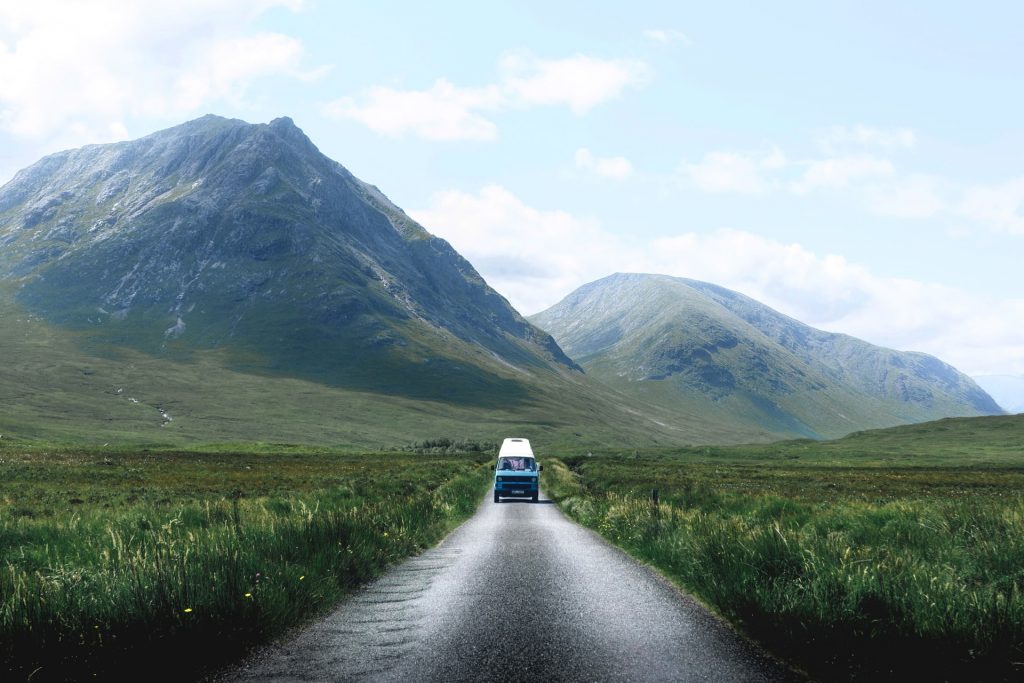
Cost of Van life
The cost of van life is much lower than a conventional house or apartment. This is why van life is such a powerful enabler for creative artists or entrepreneurs and is so popular with particularly the younger generation – it allows them to pursue creative goals without the financial stress of the conventional housing market
Van life is not free though, and there are a few significant costs you will still need to consider
Cost of your van
The cost of the Van will likely be the highest expense you will have during Van life, and ideally you want to buy as new van as you can afford – since you are going to be investing quite a significant amount of money in converting the van to ‘set it up’ properly, you want to be sure you have a rock solid base to be working from.
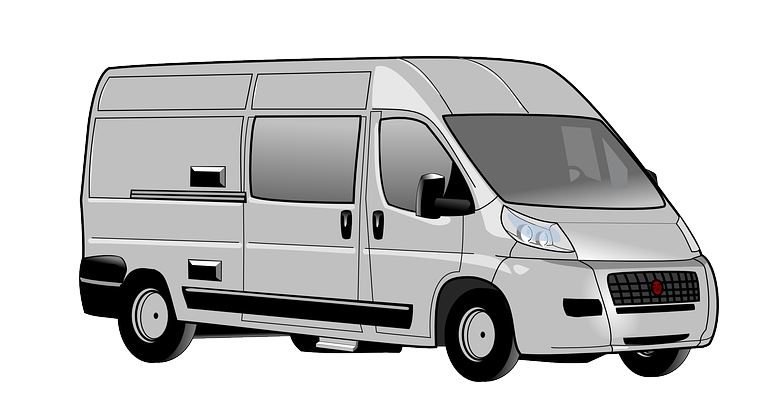
Ultimately the cost will be dictated by your budget, but its worth noting that very few Van lifers convert brand new vehicles. Typically, second hand vehicles with under 100,000 on the odometer are the most sought after for van life conversions.

Converting a vehicle for Van life
Setting up your van will be your next highest expense, after the cost of the vehicle. For example, a dedicated solar and battery system can easily cost $5,000 to supply you with enough electricity to be able to work on the road on your laptop.
The cost of your conversion will depend on both your budget and what you want to achieve, but a fully ‘decked out’ van with a electricity (solar panels), heating/cooling, plumbing with hot water, a shower/toilet and a cooktop will cost over $10,000.
Maintenance and repairs to your van
Because you will be living in your van and using it so much, expect it to wear out a bit quicker than you might expect. In addition to standard vehicle maintenance (such as standard oil and filter changes as well as other maintenance required by the manufacturer) you will likely need to maintain or repair some of your ‘added’ components such as solar panels and batteries which will tend to degrade over time.
Whilst it might sound silly, things like door handles, locks and even windows will tend to wear out quicker than you’d think! A major consideration is of course on your suspension system and tyres – because of the additional weight due to your possessions and the van life conversion, these components will be under increased stress so expect them to not last as long.
Fuel for your van
Of course a major expense will be fuel for your vehicle, typically petrol or diesel. Also, if your van uses gas (propane or butane) to either heat or cook, you will need to eventually replace your cylinder of this so you will need to factor this into your budget
Parking, tolls and entry fees
You might not have thought about this, but not everywhere is free to go for van lifers. Most national parks have entry fees, some roads have tolls and then you may have to pay for overnight parking or campground fees. This usually isn’t much but certainly isn’t negligible, and can easily run up to be over $20 per day.
Insurance
You might want to consider getting a custom insurance plan with an agreed upon value or high coverage (as opposed to market rate) since your van will technically be considered as highly modified. There are a number of specialist insurance providers who deal with recreational vehicles and caravans that will be able to tailor you a custom insurance product.
Living costs: Food and recreation
The final cost is of course on your living costs – food and recreation. This can be as little, or as much as you choose!
Negatives / Risks of Van life
- Weather. The extremes of the heat and cold can be difficult to manage. Properly insulating your van will help, as will climate control systems such as heaters and fans
- Privacy. Privacy can be difficult for more than one person, and additionally when ‘stealth camping’ or camping in public areas you likely wont have the area to yourself and will have to put up with street noise, cars and pedestrians
- Small living space. Such a small living space can become tedious if you cannot stand straight up in the van or stretch out flat on the bed. Small spaces can also become dirty quicker and will feel cluttered if not appropriately designed and kept minimal
- Your home is your vehicle and can be broken into or stolen. This can be a massive contributor to stress, particularly if you are leaving the van somewhere for a period of time such as to hike a trail. You may need to consider secure parking or paying to upgrade a security system in the van – if you lose your car, you lose your home!
- At some stage your van will break down or need maintenance. This will likely happen at the most inopportune time such as in a remote area or when you don’t have supplies. You need a backup plan such as an electric bike or scooter and cell or internet reception.
Taking a break from Van life
No matter how much you love Van life, it is important to schedule time outside of your van. This helps preventing van life burn out and wanting to give up.
Taking time to visit and stay with friends, family or even just a temporary accommodation such as a hotel, resort or air bnb for a few weeks will give you a much needed break from the van life and leave you feeling refreshed and recharged ready for your next adventure.
Summary of Van life
Van life is becoming an increasingly popular sub-culture of semi-nomadic living and travelling in vans. The flexibility and freedom that Van life provides with such low cost overheads allows people to focus on being creative and pursuing their passions in life, rather than devoting their time and energy to living a conventional lifestyle.


What things I have to check before buying a used van.