
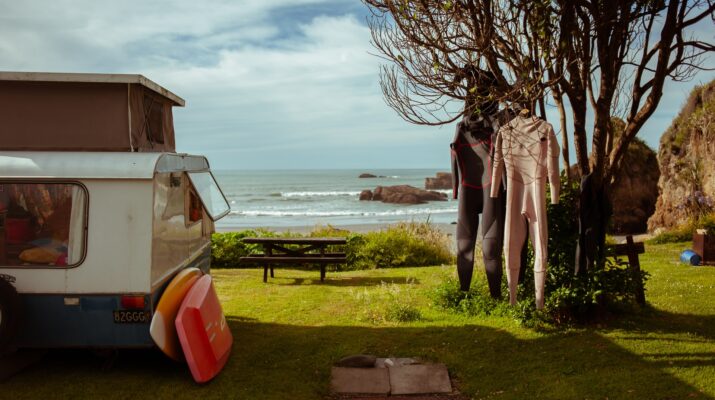
Living long-term in a caravan may be the thing that holiday dreams are made of, but it may not be possible to live in a caravan park permanently. Let’s take a look at the details..
Introduction
What’s the perfect holiday destination? Some might say the permanent holiday by way of traveling and living in a caravan is the perfect way to live your best life.
A cheaper way of living and a simpler lifestyle may be the drawcards of caravan park living. However, reduced privacy and shared amenities may be a downside for some.
· Caravan park living can help reduce your cost of living
· Living in a caravan park can be a simpler way to live your life and create memories
· Some will like the sense of community with having neighbours close by
· Others may be put off by reduced privacy and having to share facilities, like the bathroom, especially if you the have kids with you
With the cost of living going up and housing and accommodation options in short supply in some parts of Australia, some people may be wondering if you can live in a caravan park for more than a weekend, but rather all year round. While some parks are only open during peak tourist seasons, others remain open all year, such as the Lorne Foreshore Caravan Park on Great Ocean Road, Victoria, lending themselves to long-stay residents. Living long-term in a caravan park can help you downsize and save money. However, living in close quarters and shared bathrooms, maybe a downside for some. The unique ability to be able to pick up and change location fairly easily is another positive.
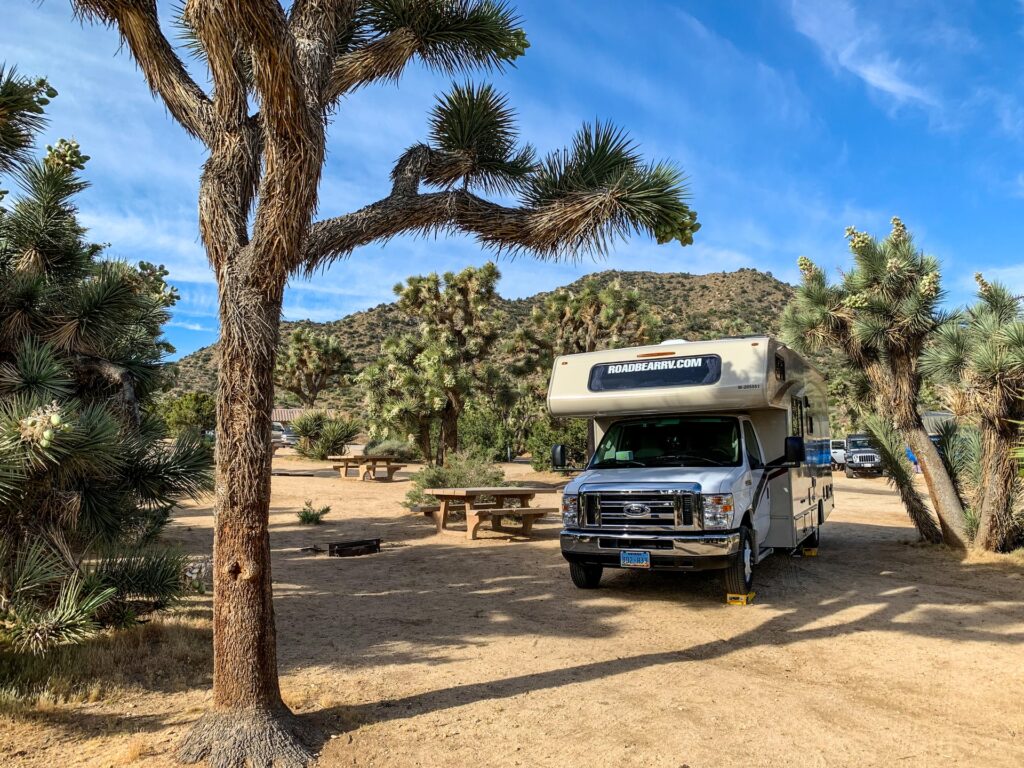
Can you live in a caravan park all year round?
When it comes to caravan park living it is possible to live in a caravan park all year round. However, this does not apply to all caravan parks. Some parks may only be open during peak tourist season, which is usually the summer months in the southern part of Australia.
“Most of my memories are the sound of rain on caravan roofs”
Kelly Macdonald
Can you live in a caravan park permanently?
While you can live in a caravan all year round, it’s unlikely to be a permanent arrangement. Caravan parks that only have long-stay tenants may also be called lifestyle villages. People who live in them long term are often on a fixed-term agreement. A long-stay tenant is one that stays more than three months. Long-stay tenancy agreements may be up to one year or even five years at some parks, and open to renewal. Fixed-term caravan park tenancies provide a degree of certainty for the tenant and park owner, but it tends not to be a permanent arrangement.
Alternately, caravan park tenants may have a periodic agreement. This agreement does not have a defined length of stay and can be ended by the tenant or park owner at any time. The advantage of this type of agreement is flexibility.
Living in a residential park | Homes and housing | Queensland Government (www.qld.gov.au)

How much are caravan park fees?
Caravan park fees for long-stay tenants tend to vary depending on what is being rented. Caravan park tenants can rent just the site and put their caravan on it. Or they can rent both the site and the caravan.
On average, the rent for sites is about $200 per week, while the rent for a caravan is about $250 per week. A budget caravan can be purchased for between $10 000 and $60 000. Luxury RVs can cost upwards of $250 000.
While buying a van outright may be a way of cutting down the ongoing cost of renting, if you did buy a van it’s likely you’d still have to pay site rent. Some long-stay agreements also have a provision where the park owner limits the age of caravans on their site to under 20yrs. So while you may own the van outright, the park owner could get a say on whether it’s allowed in the park, or not.
Accommodation – Galaxy Caravan Park (galaxycp.com.au)
Is it cheaper to live in a caravan than a house?
Compared to renting a house (approx. $450 per week) and buying a home (average cost approx. $1m), caravan park living can come out a clear winner on price.
One big challenge facing a lot of renters is the lack of affordable housing, either to buy or rent.
Caravan park living might be a viable option for some people. It’s worth noting that it may also be the only choice for some people, who do this because they have no other options.
No matter what the reason, living long term in a caravan park can save on rent, utilities, maintenance and not buying ‘stuff’ because with less space, you won’t have anywhere to put it!
Living in a residential park | Homes and housing | Queensland Government (www.qld.gov.au)
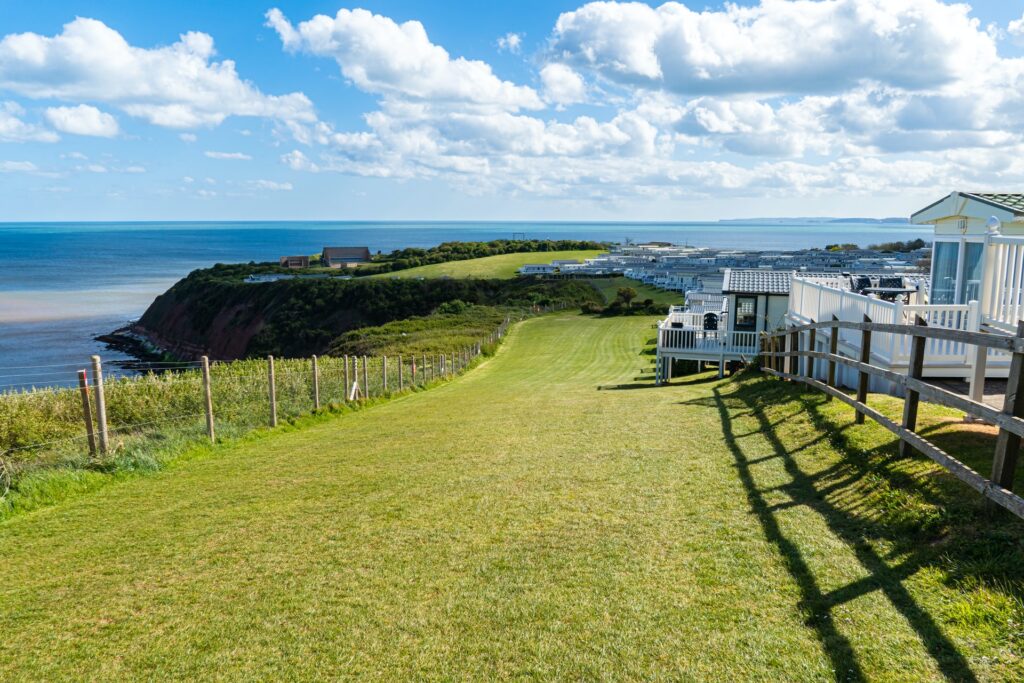
Why do some caravan parks/holiday parks close in winter?
Some caravan parks close in winter due to fewer people travelling at that time of year resulting in less guests and demand for their accommodation. This downtime can be when the caravan park schedules maintenance and prepares the park for the guests and group bookings for the next holiday season.

However, in northern Australia, the south’s winter may also coincide with the north’s dry season, with many grey nomads from South Australia or Tasmania escaping the cold in the south of the country, for sun and warmth further north, from May to October.
Do you have to pay council tax if you live in a caravan?
You do not have to pay council tax if you live in a caravan in Australia. Council tax is more of a UK thing. Council rates in Australia are usually paid by the landowner, which in this case, is likely to be the caravan park owner.
How much does it cost to live in a caravan?
On top of site and caravan rent, there are other costs associated with living in a caravan park long term. You may be up for a refundable bond fee from $200 to $500 and possibly an application fee. There may also be extra charges for visitors that stay overnight.
When it comes to utilities, there may be a charge for power of about $500 per year, and gas of about $50 per year. Often water is included in the site fee. Tenants are also up for van insurance and a certificate of currency may be required to renew a long-stay agreement.
Residency in a caravan park – Consumer Affairs Victoria
Can you live in a caravan on your own land?
Generally, you cannot live permanently in a caravan on your own land. You may be able to do it short term, for less than 30 days, depending on your local council laws. Local councils usually govern dwelling types on land in their area of responsibility.
“Oh, I wish I lived in a caravan!’ said Jimmy longingly. ‘How lovely it must be to live in a house that has wheels and can go away down the lanes and through the towns, and stand still in fields at night!”
Enid Blyton
Advantages of living in a caravan park
- Good way to save money
- Cheaper than buying or renting a regular house for the whole family
- Fewer maintenance costs
- Better opportunity to get amongst nature
- Sense of community through living in close proximity to others
- Less space helps you live a simpler minimalist way of life
- Explore the country by moving location and sites
Disadvantages of living in a caravan park
- Have to share facilities with holidaymakers in mixed-use holiday parks
- Less privacy with neighbours close by
- Less space and privacy if you have the whole family with you
- You may have to use a shared bathroom block away from your van location, to shower and go to the toilet
- If you go away, you may not be able to rent out sites to others without the park’s approval
- Rely on the owner for park upkeep
Illawarra caravan park residents facing eviction plead to have dignity respected – ABC News
Conclusion
While you can live in some caravan parks all year round, you may not be able to live in one permanently. While some parks are open all year round and allow long-stay residents, some are only open during peak tourist seasons. There are a number of benefits of living in a caravan park, such as reducing the cost of living and saving money. However, the trade off may be lack of privacy by living so close to others.
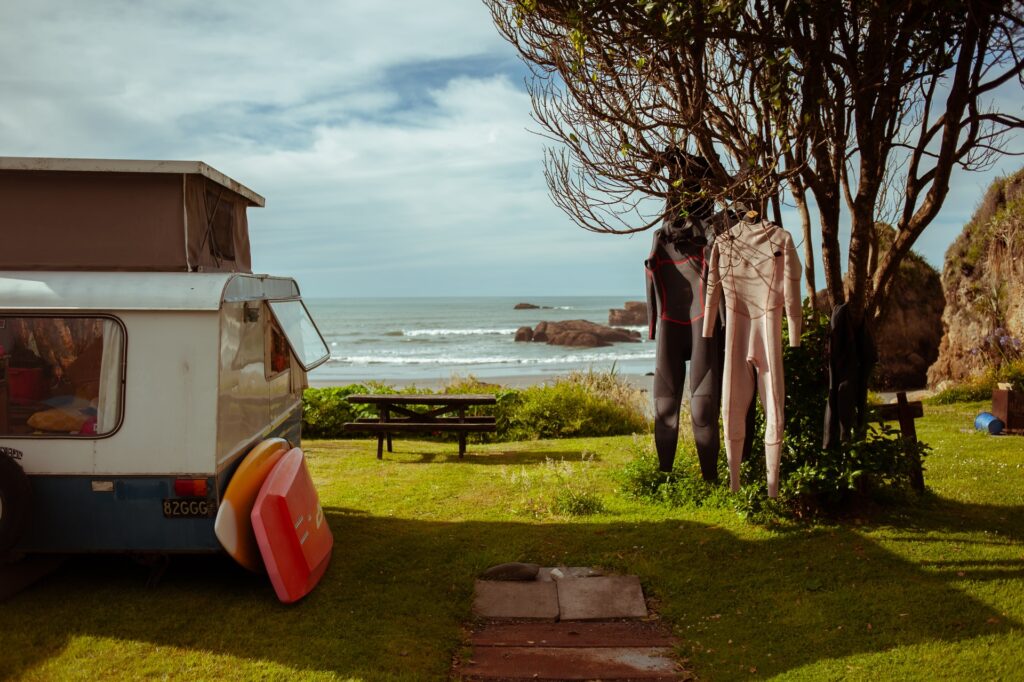
Living in a caravan park would certainly be an adventure! Rather than a weekend away or a short term holiday, you could explore the country by moving between parks!
For many families, caravans are one of the camping options for short breaks – you can take a road trip, visit various locations, then find the perfect spot with the right facilities to settle in. It’s a perfect way to create memories with the kids and the rest of the family.
Remember when travelling, to respect the traditional landowners as well as the culture and traditional practices of local tribes and the Indigenous history of the area.
Have you considered living in a caravan? Why/why not? Maybe you could start planning a short caravan break for your next adventure before you even consider it for a more long-term option. It’s sort of like permanent camping!
You can also read our following articles on:
