
Looking to buy a bush toilet? Click here to learn everything you need to know, from purchasing options and pricing to healthy waste disposal.
Introduction
Being part of the outdoors doesn’t mean you have to leave all the comforts of home behind. Today, there are a variety of bush toilets – from flushable to self-made – that can provide a safe and hygienic way of going to the bathroom while camping, hiking, or even backpacking. In this blog, we will discuss the different types of bush toilets available, how to use and clean them, where you can buy one, and how to DIY with a few simple items. We will also discuss the importance of preserving our ecosystem and disposing of waste responsibly.
What is a bush toilet?
A bush toilet is a type of toilet that is typically found in outdoor or wilderness settings, where there are no traditional plumbing or sewage systems. It can be a simple hole in the ground that is dug for the purpose of human waste disposal and is often surrounded by some form of privacy shelter, such as a tent or screen.
Bush toilets also come in various portable types, such as bucket dry toilets (the most basic form), collapsible makeshift units, flushable toilets with detachable upper and lower sections, and bio-toilets with bio-digester technology and anaerobic microbes for the degradation of organic human waste. Sometimes there is assembly required, but many also come with no assembly required. There are also some with side pockets for toilet paper, so make sure you shop around for one that is right for your needs.
These toilets are commonly used by hikers, campers, and other outdoor enthusiasts who spend extended periods of time in remote areas without access to conventional bathroom facilities. They are also sometimes used in developing countries with limited or nonexistent infrastructure.
Because most bush toilets do not have a good flushing or waste management system, it is essential to use them responsibly and follow proper hygiene practices to avoid contaminating the surrounding environment. This includes burying waste at an appropriate depth and location and carrying out all non-biodegradable waste for proper disposal elsewhere.
Are there different types of bush toilets?
Yes, there are several different types of bush toilets for different needs. Each type has its own advantages and disadvantages depending on the user’s requirements. Here are some details about each type:
Bucket Toilets
A bucket toilet is a very basic and inexpensive type of toilet that uses a bucket or container to hold waste. To use one, you sit on a seat or platform that’s positioned over the bucket. When you’re finished, the waste is collected in the bucket and usually covered with sawdust, ash, or some other material to control smells and lower the risk of disease.

Cassette Toilets
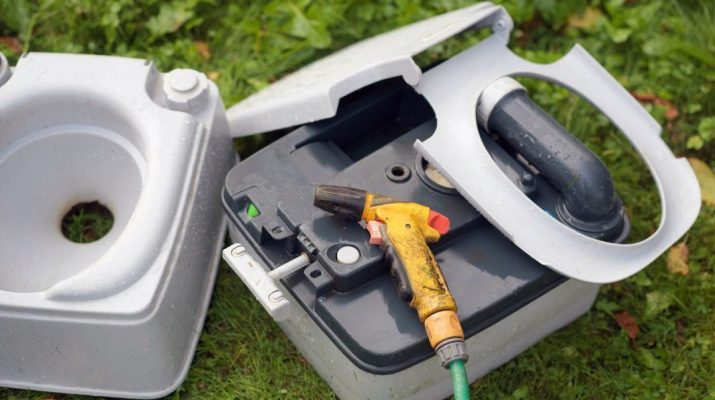
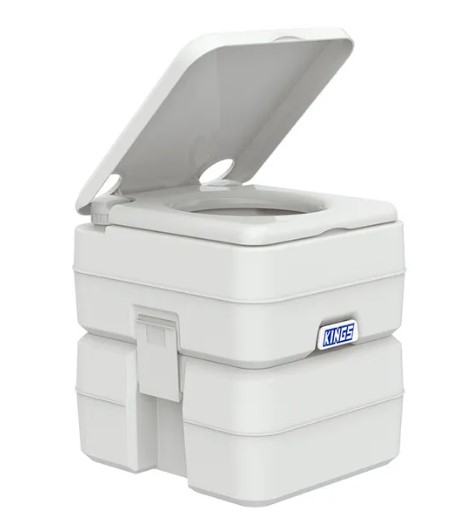
A cassette toilet is a type of portable toilet commonly used outdoors. It has a stable box design and consists of two main parts: a toilet bowl and a removable waste cassette. The toilet bowl is usually made of plastic and has a seat and a lid, while the waste cassette is a removable tank that is located beneath the bowl. When using a cassette toilet, the waste is collected in the removable cassette tank, which can be easily emptied and cleaned. These often come with a carry bag too.
You can read about the best Cassette toilet chemicals HERE.
Folding Seat Toilets
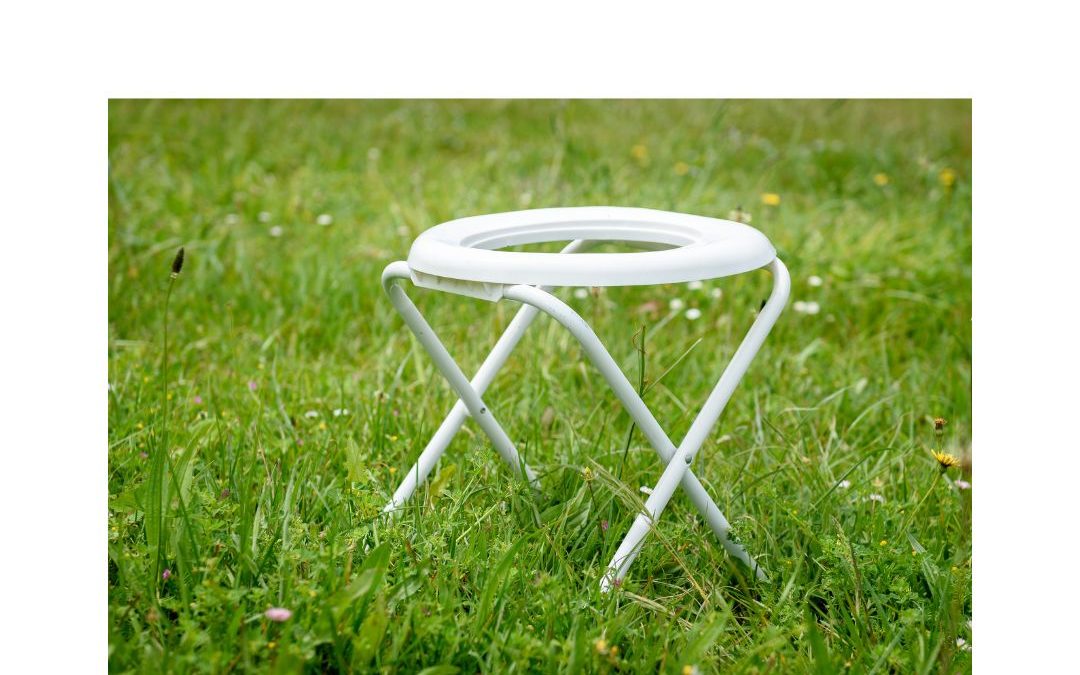
This compact foldable toilet with seat represents the most rudimentary option for those seeking a portable camping toilet. Essentially, this type of toilet is nothing more than a seat that can be positioned over a hole in the ground, thereby providing a semblance of a toilet experience. For slightly more functionality, one can attach a bag to the seat’s underside to capture waste, which can then be detached and easily disposed of in a public restroom or porta-potty.
Flushable Toilets
Flushable toilets come in two main varieties: wet flush and dry flush. Wet flush toilets are usually the more affordable option and use fresh water for flushing. On the other hand, dry flush toilets are usually more costly and use special one-time-use bags. Regardless of the type, flushable toilets offer the ultimate in convenience and comfort, as they are lightweight (when empty) and out of sight out of mind. However, there can be complications with the flushing system which may require repair or replacement. Generally, flushable toilets range from $25 to $50 depending on the model.
Composting Toilets
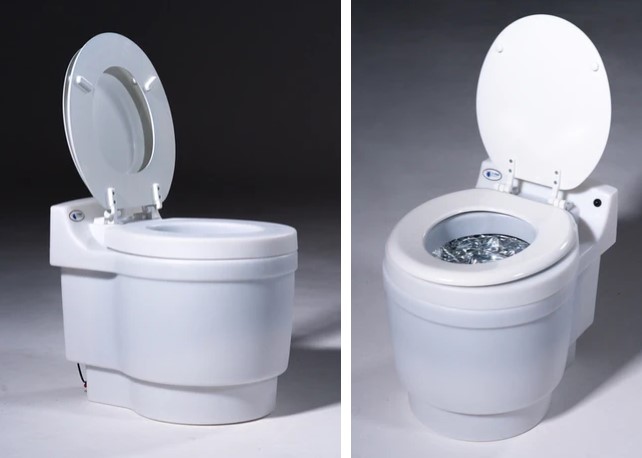
When in the woods or any other remote area, composting toilets are the most eco-friendly option. They have two separate tanks for liquid and solids and use peat moss or coco coir to compost solid waste. They are costlier than other types of bush toilets but they can be left for months without emptying and naturally remove odor.

What do you do with their waste?
When it comes to disposing of waste from a portable bush toilet, it’s important to follow proper procedures to avoid environmental contamination and health risks. Here are a few options for disposing of portable bush toilet waste:
Burying
One option is to bury the waste in a hole that is at least 6-8 inches deep and at least 200 feet from any water sources. Make sure to cover the waste and any toilet paper with soil and pack it down to prevent animals from digging it up.
Carrying Out
Another option is to carry the waste out with you in a sealed container or waste bag and dispose of it in a designated waste disposal facility.
Chemical Treatment
Some portable bush toilets come with chemical treatment options that break down waste and neutralize odors. You can then dispose of the treated waste in a designated waste disposal facility.
Incineration

In some cases, portable bush toilets come with incineration capabilities. This involves burning the waste to ash, which can then be safely disposed of in a waste disposal facility.
It’s important to check the specific guidelines and regulations for the area where you are camping or hiking, as some areas may have specific requirements for waste disposal. Additionally, make sure to always practice Leave No Trace principles to minimize your impact on the environment.
How do you clean them?
Cleaning a bush toilet can be a bit of a challenge since you’re typically in a remote location without access to traditional cleaning supplies. Here are a few tips on how to clean a bush toilet:

Empty the waste container
If your bush toilet has a removable waste container, start by emptying it into a designated waste disposal facility. Make sure to wear gloves and take any necessary precautions to avoid coming into contact with the waste.
Scrub the inside of the toilet
Using a small amount of biodegradable soap and a scrub brush or sponge, scrub the inside of the toilet bowl and seat. Make sure to get into all the nooks and crannies to remove any residue.
Rinse with water
Once you’ve scrubbed the toilet, rinse it thoroughly with water. If you have a water source nearby, use a bucket to pour water over the toilet. If not, use a spray bottle or a cloth soaked in water to rinse the toilet.
Disinfect
To kill any remaining germs and bacteria, you can use a disinfectant such as a bleach solution (1 part bleach to 10 parts water) or a commercial disinfectant spray. Spray or wipe down the entire toilet, including the seat and any handles.
Allow Drying
After cleaning and disinfecting the toilet, allow it to air dry completely before using it again.
Where can you buy a bush toilet?
Bush toilets are available for purchase both in physical stores and online. There are several e-commerce platforms that offer a variety of portable bush toilet options, including BCF, Nature-loo, Bunnings, and Aussie Disposals, among others. Some of the popular models of adaptable camping toilets include the Cleanwaste Go Anywhere, Elemental Thunder Down Under, Companion, Thetford Porta Potti Qube, and Wanderer Foldable. It is advisable to conduct thorough research on the various models and their features to identify the most suitable option for your specific needs.
How much does it cost?
The cost of portable bush toilets can vary depending on the type, model, quality, and features of the product. On average, prices for these outdoor toilets range from $30 to $300. For instance, the cost of Cleanwaste bathrooms is approximately $168, while the Elemental toilet is priced at around AU$ 99.9. Alternatively, Companion portable toilets are available for purchase for $46.99, while a Thetford model can cost up to $244.99. The Wanderer outhouses are priced at $35.99, and the Ironman 4×4 bush toilet is about $121.
How can you make a bush toilet?
Creating a self-made bush toilet can be a simple and cost-effective solution for waste disposal in remote outdoor locations. To make your own bush toilet, you’ll need a few supplies, including a pool noodle, a five-gallon bucket, a utility knife, epoxy adhesive, a compostable liner, sawdust, and a trash bag.
Start by cutting the pool noodle to fit snugly around the rim of the bucket using a utility knife. Secure the pool noodle to the rim with epoxy adhesive to create a comfortable and stable seating area.
Next, insert a strong and compostable liner into the bucket, along with an absorbent substance such as sawdust. This will help collect and control waste while minimizing odors.
Be sure to regularly empty and replace the liner and absorbent material to maintain hygiene and cleanliness. Finally, place a trash bag over the top of the bucket for added protection and easy disposal.
You can check out this article HERE on going to the toilet in the bush by digging a hole, and respecting the land.
Conclusion
In conclusion, it is really unfortunate that our planet is facing severe environmental degradation due to human activities such as littering, unsustainable outdoor recreation, and improper waste disposal. However, there are steps we can take to mitigate this damage, such as adopting convertible toilet systems when venturing into the wilderness. Bush toilets are an efficient and hygienic solution for disposing of human waste in remote locations, and they can be either purchased or constructed with minimal effort. With proper use and maintenance, these portable systems can help ensure that the great outdoors remains clean and safe for everyone to enjoy.
