No Van life journey would ever be complete without considering the classic Ford Transit. A vehicle that is synonymously popular with tradies, campers and even those with just big families, this iconic panel van was also popular with outlaws in the 1970s when it first came on the market since it could famously outrun police cars at the time.
“Ignoring a Transit when you’re buying a van is like ignoring a Golf when you’re buying a car. Or a kebab when post-nightclub food shopping. Do so at your peril”
Top Gear, BBC
Because of the practicality of choosing a quality van with a reasonable amount of mileage on the clock, this review focuses on the more modern options from approximately 2005 onwards.
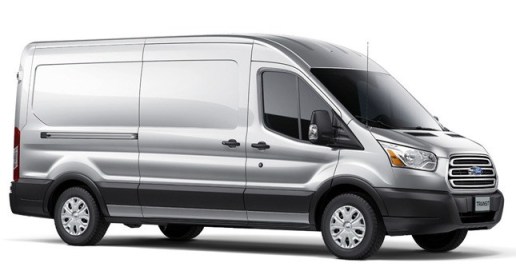
Introduction to the Ford Transit
The Ford transit is both Europe and the USA’s best selling panel van, and received a 9/10 score from Top Gear who claim it as a British icon (despite it not being manufactured in the UK since 2013).
This popularity is a massive boon for any would be Transit van converters – there is no shortage of second hand Transits or spare parts, plenty of aftermarket accessories available, there are lots of mechanics who are qualified and experienced to work on it, and it is actually a relatively simple vehicle. Overall this makes the transit an affordable option, and fairly low risk from an ongoing maintenance perspective.
The Transit itself has a more boxier (square) design than the Mercedes sprinter, making it a bit easier to plan and actually do the camper van life conversion (especially when installing strapping, insulation and interior walls).
The Transit is available in three size configurations (short, mid and long wheel base) with an option for a ‘jumbo’ or extended cab.
- L1 / 350L (130 inch wheel base) – 118 inch living space
- L2 / 430E (148 inch wheel base) – 129 inch living space
- L3 / 470E (148 inch wheel base extended cab) – 158 inch living space
In terms of engines, Ford has offered both a petrol (v6 or an eco-boost) or turbo diesel engine option over the years and all are great options – most van lifers choose the diesel for its better economy, but the petrol engine is a very simple engine and in my opinion, more reliable.
Petrol engines typically use more fuel but are simpler and cheaper to maintain, so it really depends on how much you plan to drive the vehicle as to how your cost/benefit analysis works out for your personal situation.
Fuel economy is similar to the Mercedes Sprinter, with diesel engines achieving around 12L per 100km (20 miles per gallon) on the highway and about 14L per 100km (17 miles per gallon) on suburban, dirt roads or ‘stop start’ driving conditions. The Petrol variant typically uses 10-20% more fuel than the diesel variant.

“In an ever-changing world, the Transit is one of the few things we can still rely upon“
Top Gear, BBC
You can get the Transit in both Front and Rear wheel drive transmissions, as well as newer models can be purchased in all wheel drive, but realistically the overwhelming majority of Ford Transits are rear wheel drive.
Front wheel drive being the best choice for camper conversions as it maximizes cabin height – this is because there is no need for the drive train to run under the chassis to the rear axle which takes up space. Die hard off-road van lifers can even modify the RWD version into a 4WD transmission, although this is an expensive modification (note FWD versions generally cannot be modified into 4WD).
The Transit high roof option in the front wheel drive transmission is the highest in its class, with the high roof option offering an astounding 1985mm or 6″6′ of interior space height (before interior insulation, flooring and roof cladding is installed). If you don’t need this much space, there are mid roof options, too at around 6″2′.
One of the real bonuses with the Transit is its width; with an interior width of 1762mm or nearly 70 inches (5″9′) if you design the space appropriately, many people are able to sleep across the van rather than along it.
Personally I am a little tall for this and would opt for a length-wise bed, but this also gives you flexibility to install deeper counter tops and kitchen areas, as well as potentially a small enclosed shower/toilet bathroom without giving up too much ‘walk-way’ or interior space.
Price wise, The Transit comes with a new price-tag of about $50,000, and decent second hand van will set you back around $25,000.
Ford Transit summary
I personally will be keeping an eye out for a quality low mileage ford transit high roof for my van conversion build. A popular van, the ford transit has a well established supply chain and can be worked on by any mechanic, making it cheap to purchase and maintain.
It also has some of the highest roof space in its class, although the vehicle itself is also the tallest which could prove tricky in urban areas, as well as getting up there to clean solar panels and load/unload any storage areas on roof racks.