
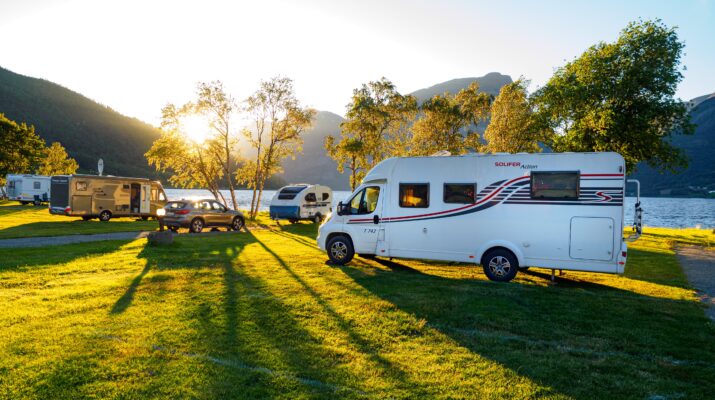
Are you thinking about tinting your RV windows? Check out this blog post to learn about the pros and cons of RV tinted windows. Find out if it’s right for you!
Introduction
Looking for a way to make your RV trips more comfortable and safe? Window tinting may be the answer. In this blog post, we’ll explore the benefits and drawbacks of RV window tinting to help you decide if it’s right for you. We’ll also answer some commonly asked questions about RV window tinting to help you choose the right film and provide guidance on how to properly apply it. So, whether you’re looking to reduce glare, improve UV protection, or just add a little privacy to your next trip, read on to learn more about RV window tinting.
Can you tint RV windows?
RV windows can be tinted to help reduce the heat and sunlight entering the RV. Tinting the windows can also help to improve privacy and security, making it more comfortable to spend time inside. There are a few things to keep in mind when tinting RV windows, such as the type of film to use and the size of the windows. Just be sure to use a high-quality tinting film and follow the manufacturer’s instructions carefully.

What are the different types of tinting for windows?
There are a few different types of tinting for windows, each with its benefits. The first type is dyed window film, which uses a dark dye to block out sunlight. This tinting is great for reducing glare and heat, but it can cause the windows to appear darker than usual.
The second type of tinting is metallic window film, which uses a reflective coating to block sunlight. This tinting is great for reducing heat, but it can cause the windows to appear mirror-like.
The third is ceramic window film, which uses a unique ceramic to block sunlight. This tinting is great for reducing heat, but it can cause the windows to appear cloudy.
What’s the difference between 35% and 20% tint?
When choosing a tint for your windows, it is essential to consider both the level of privacy you want and the amount of light you want to be able to see through the film. If you want maximum privacy, 35% tint is the way to go. However, if you want to see more efficiently during the day, a 20% tint may be a better option. 35% tint means that 35% of the visible light is allowed to pass through the window film, while 20% tint implies that 20% of the visible light is allowed to pass through. Regarding privacy, 20% tint is more effective because it blocks out more light.

What is the darkest legal tint in Australia? The UK? The USA? for RV tinted windows
There are a few factors to consider when determining the darkest legal tint in Australia, the UK, or the USA. These include the type of vehicle, the location, and the purpose of the tint.
The darkest legal tint in Australia is 35%, the UK is 70%, and the USA is 25-70%, varying from state to state. The difference is if you are caught driving with a darker tint than what is legally allowed, you may be fined and have your license suspended. So, if you’re looking for a tint that’s as dark as possible, check your local laws first. Depending on where you live, you may have to sacrifice some darkness.
How much does it cost to tint RV windows?
RV window tinting is a great way to protect your investment and keep your RV looking good for years to come. The tinting cost will vary depending on the size and number of windows you have, as well as the type of film you choose if you do tinting yourself, then you will cost much of your time and extra money, so it’s better to choose professionals. Expect to pay anywhere from USD$25-$50 per window for professional installation.
What is the highest quality RV window tint?
There are a few things to consider when trying to determine the highest quality window tint. The main factor is the material used.
There are three main types of materials used in window tinting: Ceramic, photochromic, and carbon.
Ceramic Window Tint
Ceramic window tint is the newest type of material on the market. It is very effective at blocking out heat and UV rays, making it a good choice for those who are looking for the best possible protection from the sun. However, it is also the most expensive option.
Photochromic Window Tint
Photochromic, on the other hand, is a material that darkens in sunlight and then gets lighter in darkness. This makes it a good choice for those who want the benefits of tinting but don’t want their windows to be too dark all the time.
Carbon Window Tint
Finally, carbon window tint is the most popular type of tinting material.It is effective at blocking out UV rays and heat, but it can also make the windows appear darker than they actually are. Carbon window tint is a good choice for those who want the benefits of window tinting without spending a lot of money.
So, which one is the highest quality? Well, it really depends on what you are looking for. If you want the best possible protection from the sun, then ceramic is the way to go. However, if you are looking for a more affordable option that still provides good protection, then carbon is the way to go. Ultimately, the decision is up to you!
Can you tint your RV windshield?
Yes, RV windshields can be tinted, but it’s important to choose the right type of tinting film. There are two main types of film available: metalized and non-metalized.
Metalized film has a very reflective surface that can make it more difficult to see through in certain light conditions. The non-metalized film is not as reflective, but can still provide good visibility.
When choosing a film, it’s important to consider the climate in which you’ll be using your RV. In general, the metalized film is better for cooler climates, while the non-metalized film is better for warmer climates. You should also consider the amount of sunlight that will be hitting your RV windshield.
If you’ll be driving in direct sunlight for long periods of time, a metalized film may be the best option. If you’re not sure which type of film is right for your RV, ask a professional at your local tinting shop. They can help you choose the right film and provide guidance on how to properly apply it.
“Tinting your windows is one of those awesome car upgrades that can actually make a positive difference not only for your comfort level while driving but can even provide many health benefits like protecting you from the sun’s UV rays and keeping you cool.”
windowtintlaws.us
What are the benefits of RV tinted windows?
RV window tinting offers a number of benefits that can improve both the comfort and safety of your travels.
● Reduced Glare: Tinting your RV windows can significantly reduce the amount of glare coming into the cabin, making it more comfortable to drive for extended periods of time.
● Improved UV Protection: In addition to reducing the amount of heat that enters your RV, window tinting provides an extra layer of protection from harmful UV rays. This can help to prevent fading.
● Privacy: If you’re looking for a little extra privacy on your next camping trip, tinted windows can help.
● Added security: Tinted windows also offer an additional measure of security, as would-be thieves will have a harder time seeing inside your RV.
● Window tinting can help to keep your RV cooler in the summer months by blocking out some of the sun’s heat.
What are the drawbacks of RV tinted windows?
While there are many benefits to tinting your RV windows, there are a few drawbacks to consider as well.
● Tinted windows can make it more difficult to see inside your RV.
● If you’re relying on solar power to recharge your RV batteries, tinted windows will reduce the amount of sunlight that can enter and may decrease the efficiency of your solar panels.
● Tinting your RV windows may also void your manufacturer’s warranty, so be sure to check before you make any changes.

FAQs about RV tinted windows:
1. How often do you have to replace RV tinted windows?
RV owners should expect to replace their RV’s tinted windows every few years particularly when it starts affecting their vision. The lifespan of RV window tinting depends on a number of factors, including the quality of the film, the type of adhesive used, and how well the windows are cared for. Replacing RV tinted windows is not a difficult or expensive task, and doing so will help keep your RV looking its best.
2. How do you clean RV-tinted windows?
Cleaning RV-tinted windows is similar to cleaning any other type of window. Use a mild soap and water solution to avoid damaging the film. Be sure to rinse the windows well to remove all traces of soap. For tougher dirt and grime, use a soft cloth or sponge dipped in diluted vinegar or rubbing alcohol. Never use abrasive cleaners, as they can scratch the film.
3. Are RV-tinted windows worth it?
Whether or not RV tinted windows are worth it is a personal decision. As with anything, there are pros and cons to RV-tinted windows. The benefits of tinted windows include reduced glare, improved UV protection, privacy, and added security. However, tinted windows can make it more difficult to see inside your RV and may void your manufacturer’s warranty. Overall, RV-tinted windows are a matter of personal preference and should be chosen based on your specific needs and preferences.
“A 5% is the darkest tint you can get, and you can’t see through 5% tinted car windows at all. In most states, a 5% tint is illegal. It’s most commonly used on the back windows of private cars and limousines.”
flyingwindowtinters.com
Conclusion
In conclusion, an RV window tint can offer a number of benefits, but it’s important to weigh the pros and cons before making a decision. Tinted windows can reduce glare, provide UV protection, and add privacy, but they can also make it more difficult to see inside your RV and may void your warranty. Consider your needs carefully before deciding whether or not to tint your RV windows.
Do you have any questions about RV window tinting? Leave a comment below and we’ll be happy to help.
You may also be interested to read about:
